


Last Updated: November 12, 2026
Quick Summary
The best eyeshadow formulas for blending combine finely milled particles, enough binder to grip the lid without skipping, and pigment that diffuses instead of staining on contact. Powder mattes are the most forgiving format, staying reworkable for a minute or two before setting, while liquid formulas lock their edges once dry.
- Blendability means a formula diffuses and softens its own edges under normal brush pressure without patchiness or fallout.
- Powder shadows stay workable longest, cream sets fast, and liquid dries down with the least forgiveness.
- Lighter shades like Soft Spoken and Naked blend with almost no effort; deeper shades demand a lighter hand and clean brush.
- Tap off excess pigment before every pass and buff edges with a clean brush side, never scrub.
- Hooded eyes do best with matte powder plus primer, blending the crease shade slightly above the natural fold.
Table of Contents
- What Makes an Eyeshadow Formula Easy to Blend
- Quick Comparison: Finish, Blendability, and Skill Level
-
The Best Eyeshadow Formulas for Blending, Ranked
- 1. Soft Spoken: The Creamy Ivory Base That Sets the Blend
- 2. Naked: A Cream Nude Transition Shade That Diffuses Edges
- 3. Driftwood: The Ultra Pale Taupe for Soft Crease Work
- 4. Taupeless Romantic: Grungy Depth Without Patchiness
- 5. Mocha Venti: A Buildable Brown That Layers Cleanly
- 6. Cream No Sugar: The Coffee Nude for Everyday Wear
- Best Eyeshadow Formulas for Blending Hooded Eyes
- Which Eyeshadow Palette Is Best for Beginners
- Best Neutral Eyeshadow Palette for Mature Eyes
- Brushes, Primer, and Technique That Make Blending Easier
- Build Your Blending Kit from Klarity Kosmetics
- Frequently Asked Questions
What Makes an Eyeshadow Formula Easy to Blend
The best eyeshadow formulas for blending share three traits: finely milled particles, enough binder to grip the lid without skipping, and pigment that diffuses instead of staining on contact. This guide breaks down which formulas earn a place in a blending kit. Blendability is not a marketing word. It is a measurable behavior you can test before a single brush touches your eyelid.
A Repeatable Definition of Blendability
Three factors decide it. Particle size controls how smoothly color spreads. Binder ratio controls whether pigment clings to skin or dusts off. Pigment load controls how much color arrives per pass.
What most guides miss is that blendability is a two-part relationship between the shadow and the brush. A buttery matte on a stiff, dense brush still produces harsh edges.
Powder, Cream, and Liquid Formulas Side by Side
Powder eyeshadow is the most forgiving format for blending because it stays workable for a minute or two before setting. Pressed pigments fall here: finely milled, soft texture, and easy to diffuse with a windshield-wiper motion.
Cream eyeshadow blends fast but sets quickly, so edges must be softened immediately. It suits oily eyelids less well unless set with powder. Liquid eyeshadow delivers the sharpest color payoff but the least forgiveness. Once it dries, the edge is locked.
| Formula Type | Blend Window | Best For | Watch Out For |
|---|---|---|---|
| Powder | Long, reworkable | Beginners, crease work | Fallout on the cheek |
| Cream | Short, sets fast | One-and-done lids | Creasing on oily lids |
| Liquid | Minimal, dries down | Graphic, sharp looks | Harsh edges, no blending back |
Quick Comparison: Finish, Blendability, and Skill Level
A quick scan of the shades covered below shows which formulas suit which hands. Every pick is a matte finish, because matte shadows reveal blending errors fastest and reward good technique most.
| Shade | Tone | Blendability | Skill Level | Best For |
|---|---|---|---|---|
| Soft Spoken | Creamy ivory | High, diffuses easily | Beginner | Base and brow bone |
| Naked | Cream nude | High, buttery | Beginner | Transition shade |
| Driftwood | Ultra pale taupe | High, soft crease work | Beginner to intermediate | Soft definition |
| Taupeless Romantic | Grungy taupe brown | Medium-high, buildable | Intermediate | Depth without patchiness |
| Mocha Venti | Grungy mocha brown | Medium-high, layers cleanly | Intermediate | Outer corner depth |
| Cream No Sugar | Coffee cream nude | High, everyday ease | Beginner | Everyday wear |
The pattern is deliberate. Lighter shades blend with almost no effort. Deeper shades carry more pigment, so they demand a lighter hand and a clean brush. That progression is how a beginner builds skill without frustration.
The Best Eyeshadow Formulas for Blending, Ranked
Ranking comes down to one question: how much correction does the shadow demand? The six shades below are ordered from most forgiving to most pigmented, so you can pick by skill level and lid type rather than by color alone.
1. Soft Spoken: The Creamy Ivory Base That Sets the Blend
Soft Spoken is the grungy creamy ivory matte that does the unglamorous job every good eye look depends on.
Load the brush, tap off excess, and press rather than drag. The soft, finely milled formula is an easy starting point for anyone learning to blend. A common mistake is skipping a base shade entirely, then blaming the deeper color for patchiness.
Best for: beginners and anyone building a neutral base layer. Skip if: you want a one-shade wash of color with no layering.
View the Soft Spoken matte eyeshadow
2. Naked: A Cream Nude Transition Shade That Diffuses Edges
Naked is the cream nude transition matte that sits between your base and your deepest shade.
The buttery texture is the point here. Transition shades get worked the hardest of any pan in a kit, and a formula that skips or drags shows up immediately as a stripe across the crease.
Best for: crease work and everyday neutral looks. Skip if: you already own a mid-tone nude that blends cleanly.
Shop the Naked transition shade
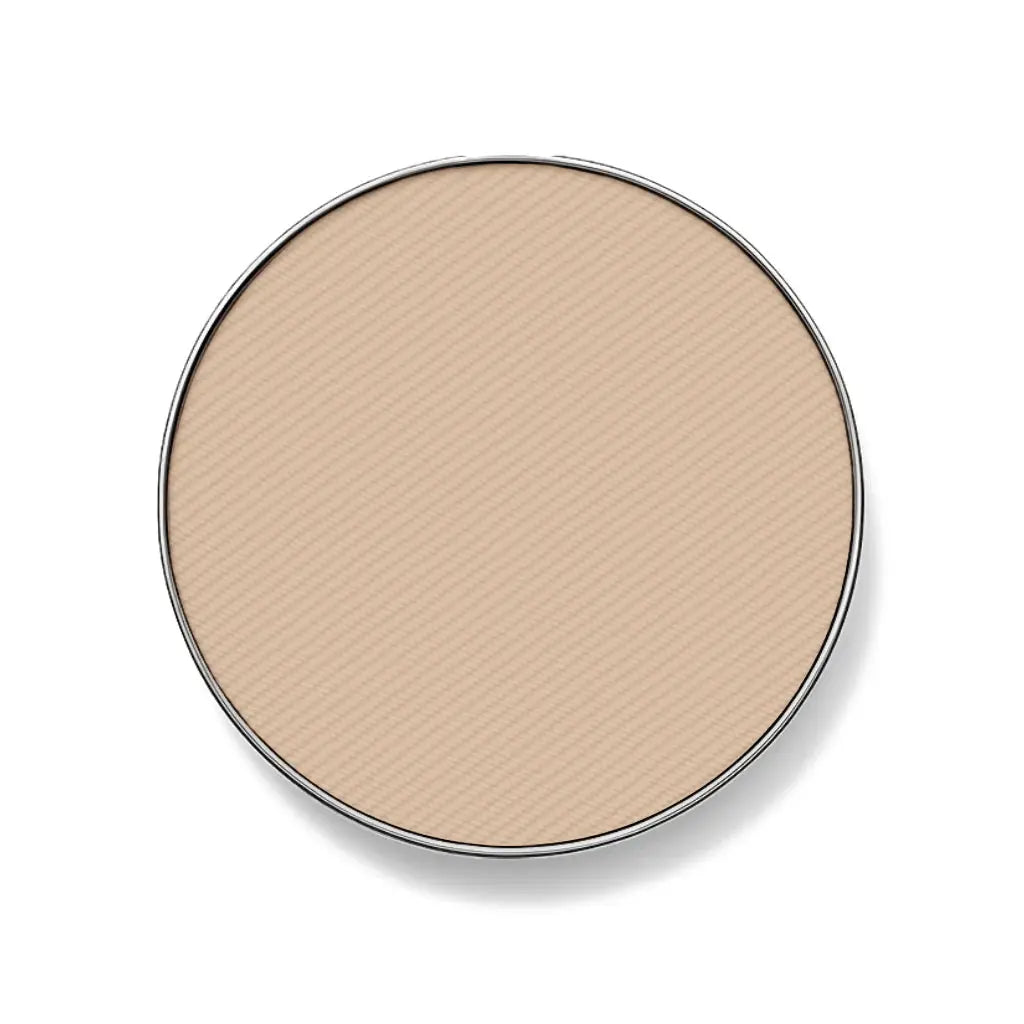
3. Driftwood: The Ultra Pale Taupe for Soft Crease Work
Driftwood is an ultra pale mid-tone taupey brown that adds soft definition without announcing itself. It is the shade to reach for when a look needs structure but not drama.
Pale taupes are where patchiness usually hides, because thin pigment over a bare lid goes blotchy. Build it in two light passes rather than one heavy one.
Best for: soft crease definition on fair to medium skin tones. Skip if: you want visible, high-contrast depth in one pass.
4. Taupeless Romantic: Grungy Depth Without Patchiness
Taupeless Romantic is a grungy taupey brown matte with deeper color.
The technique matters more here. Use a smaller, tapered brush and keep the color in the outer third of the lid, then blend inward with a clean fluffy brush. Watch out: overloading the brush with a deep matte is the fastest route to fallout and a dark patch that will not diffuse. Tap off excess twice.
Best for: grungy, lived-in eye looks with dimension. Skip if: you prefer crisp, graphic shapes.
5. Mocha Venti: A Buildable Brown That Layers Cleanly
Mocha Venti is a grungy mocha brown matte, a deeper shade for smoky neutral looks.
Pair it with Naked underneath and the transition between the two shades disappears.
Best for: outer corner depth and smoky neutral looks. Skip if: you rarely wear brown and want a single all-over shade.
6. Cream No Sugar: The Coffee Nude for Everyday Wear
Cream No Sugar is a coffee cream nude matte that works as a full-lid shade, a transition, or a subtle crease color. Everyday wear rarely needs more than one pan, and this is the one to keep within reach.
Apply with a fluffy brush in a single sweeping motion, then buff the edges with the same brush and no additional product. Most people over-apply here.
Best for: minimal, everyday neutral looks. Skip if: you want a cool-toned nude rather than a warm coffee tone.
Best Eyeshadow Formulas for Blending Hooded Eyes
Hooded eyes need formulas that stay put and blend upward rather than outward.
The best eyeshadow formulas for blending hooded eyes are matte powders with strong staying power and a controlled blend window. Soft Spoken as a base keeps the lid even.
Primer matters more on hooded lids than on any other eye shape. A matte primer grips the powder and stops it from migrating into the fold.
Which Eyeshadow Palette Is Best for Beginners
The best eyeshadow palette for beginners is one built around transition shades and light-to-medium mattes, not a wall of saturated color. Beginners need forgiveness, and forgiveness comes from pale, finely milled formulas that blend with normal brush pressure.
A practical starting set covers four jobs: a base, a transition, a mid-tone, and one deeper shade. Soft Spoken, Naked, Driftwood, and Mocha Venti cover all four. That is a complete neutral eye from one small kit, and it teaches the layering order that every bolder look later depends on.
A common mistake is buying a large palette of vivid shades first. High-pigment colors punish an unsteady hand. Learn the blend on neutrals, then move to pressed pigments and multichrome shades once the motion is automatic.
Best Neutral Eyeshadow Palette for Mature Eyes
Mature eyes benefit from matte, finely milled formulas that sit smoothly on textured lids.
Cream No Sugar and Naked are the workhorses here. Both are smooth, fragrance-free, and blend without tugging at delicate skin. Apply with a light hand and avoid dragging the brush.
Placement shifts slightly too. Keep the deepest shade lower and closer to the lash line, and blend upward with a soft taper brush.
Brushes, Primer, and Technique That Make Blending Easier
Technique and tools decide more outcomes than formula alone. A blendable shadow on the wrong brush still produces harsh edges, and the fix costs less than a new palette.
Start with a matte eye primer and buff it out with the K224 Buffer Brush. Then bring in the K613 Transition Brush for the crease: its shape fits the socket and diffuses color across the transition zone.
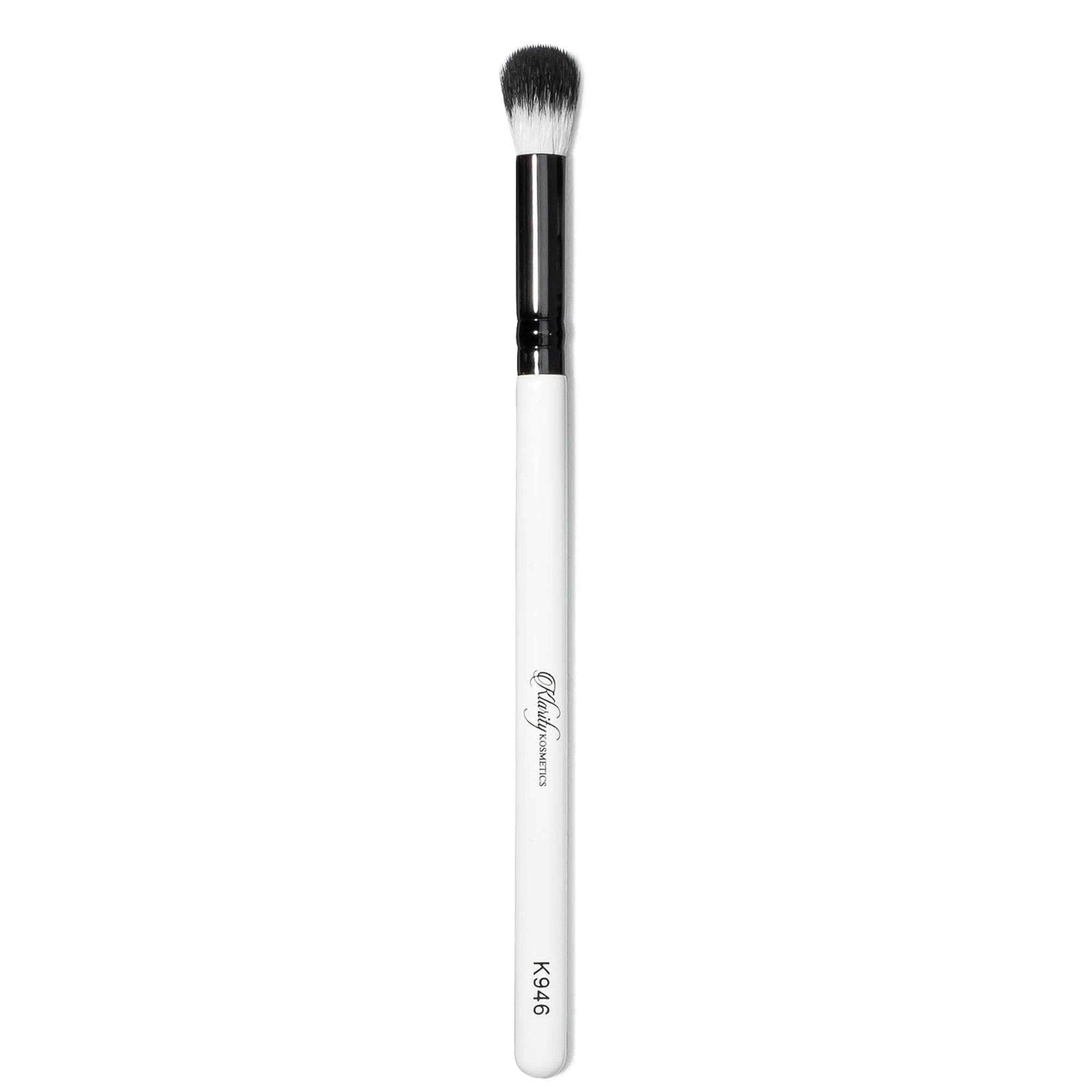
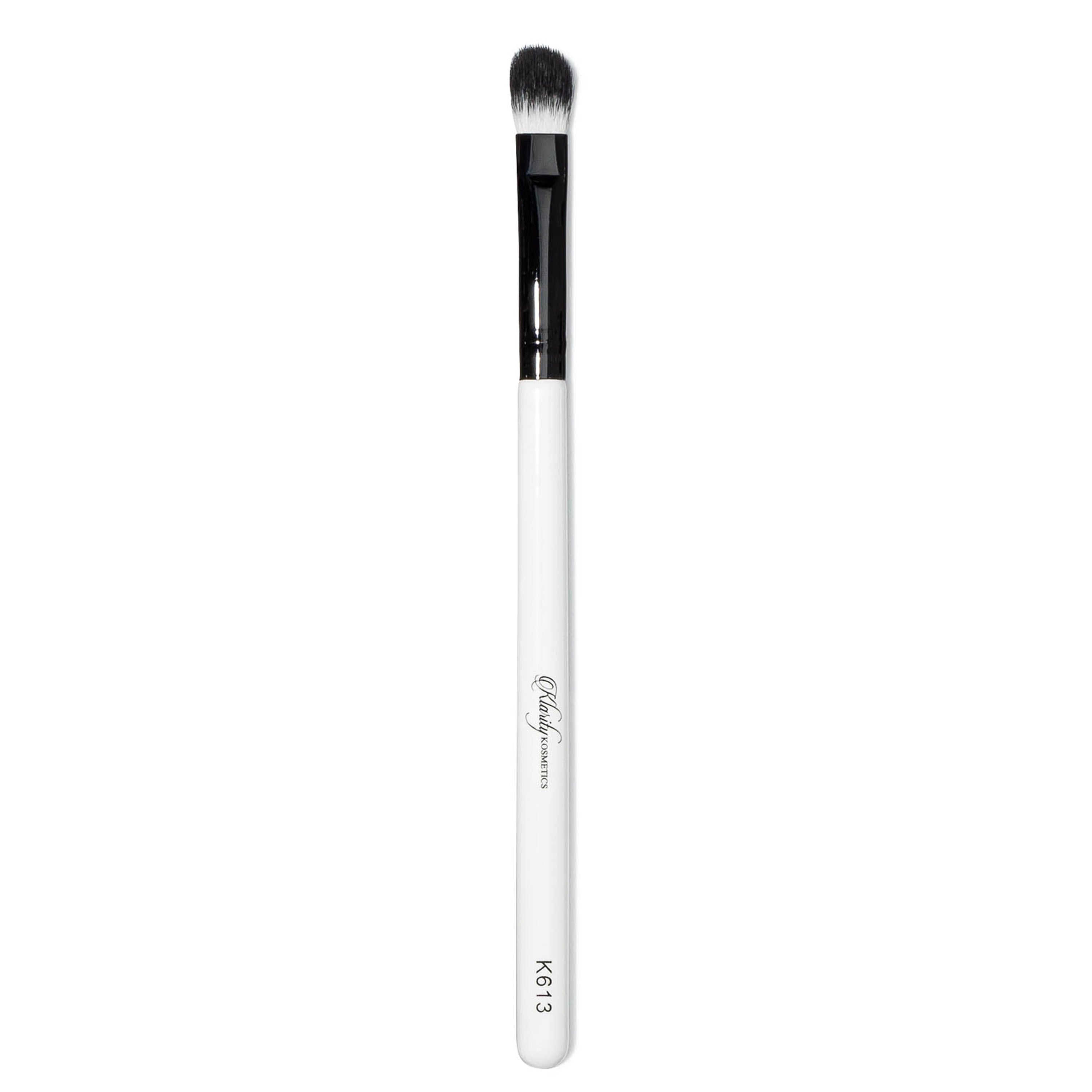
Three habits do most of the work:
- Tap off excess pigment before every pass, not just the first
- Use a clean brush side or a fresh brush to buff edges
- Blend in small circles with light pressure, never scrub
Watch out: blending with a brush still loaded with product is the single most common cause of muddy, patchy eyeshadow. The brush that applies color is not the brush that blends it out.
Build Your Blending Kit from Klarity Kosmetics
A blending kit does not need twenty pans. It needs a base, a transition, a mid-tone, a deep shade, and two brushes that match the job. That combination handles everyday neutral looks, soft crease work, and the layered depth that bolder artistic looks are built on.
The Klarity Kosmetics matte singles are handmade, vegan, cruelty-free, and pressed in a 26mm pan with a buttery, easy-to-blend formula. Start with the lightest shades, learn the motion, and add depth as the hand gets steadier.
Frequently Asked Questions
Are powder or cream eyeshadows easier to blend?
Powder eyeshadows are generally easier to blend because you can build and diffuse them gradually with a brush. Cream formulas blend quickly with fingers or a dense brush but set fast, so you have less time to fix edges. A practical approach is a cream or liquid base for grip, then powder mattes like Klarity Kosmetics' Naked or Driftwood over the top for color diffusion. Powder wins for control; cream wins for speed.
How do you blend highly pigmented eyeshadow without harsh edges?
Tap off excess before the brush touches your lid, then apply in thin layers instead of one heavy pass. Use a lighter shade like Klarity Kosmetics' Cream No Sugar in the crease first, and place the deeper color only where you want intensity. A clean, dry blending brush run along the edge in small circles softens the line.
What eyeshadow formula works best for hooded eyes?
Matte powder formulas with a soft, buttery texture give the most control on hooded eyes, because they stay where you place them and diffuse without creasing into the fold. Apply the transition shade slightly above the natural crease so it stays visible when the eye is open, and keep shimmer on the lid only. Klarity Kosmetics' matte single pans, including Taupeless Romantic and Mocha Venti, are one option for that layered placement.
How can you make eyeshadow blend smoothly on mature eyelids?
Mature lids often need a smoothing primer first, because texture and fine lines catch powder and cause patchiness. Use a buffer brush to press primer into the lid, then apply soft matte shades in sheer layers with a light hand. Avoid dragging the brush; tap and sweep instead. Neutral shades like Naked and Soft Spoken are a soft option for a natural finish.
Do you need special brushes to get a seamless blend?
A few shapes cover almost everything: a fluffy blending brush for the crease, a transition brush for the outer corner, a buffer for primer and base shades, and a small taper for precise placement. Synthetic bristles are easy to clean and work well with both cream and powder formulas. Klarity Kosmetics' K946, K613, K224, and K920 brushes are vegan and cruelty-free.
